Itinerary
DAY 1: BUENOS AIRES – COSTANERA SUR
The arrival airport for this tour is Buenos Aires International (EZE). Welcome to Buenos Aires! Upon arrival, you will meet our local agent and be transferred to the hotel. Please note, rooms are not available until mid-day typically, so if you want a room immediately for an early morning arrival, you will need to request a night ahead (additional charge at the going room rate) to get in ahead of mid-day check-in.
This afternoon, we will visit the Costanera Sur Wildlife Reserve. It is an excellent area near downtown, where we enjoy some of the Pampa’s birds, Rufous Hornero, Yellowbilled Cardinal, and the rare South American Painted-Snipe are some of the birds possible. It is easy walking, and very birdy! This evening, enjoy dinner at the hotel. Accommodation at the Buenos Aires Hotel Awa (D)
DAY 2: TRELEW – NORTHERN PATAGONIA AT PUERTO PIRAMIDES
Argentina is a long country, as is Chile. In-country flights are included in your tour price and this morning we reposition to Trelew. Welcome officially to Patagonia!
We take a mid-morning flight to Trelew, the gateway to northeast Patagonia. From the airport we drive out to Puerto Piramides, a tiny town on Peninsula Valdes, with stops for birding in route, searching for Carbonated Sierra-finch, big flocks of Burrowing Parrot, the curious Elegant Crested Tinamou, secretive Whitethroated Cacholote among others. The habitat is arid scrub adjacent to the sea–classic winds wept Patagonia.
Once in town, we walk a short distance to a viewpoint to see our first Southern Right Whales before dinner. Colorful murals line the walls of the Avenue of Whales we walk, a whale tail sculpture marks the city center. This population is actually on the rise, a significant conservation achievement. They are often quite active and we may see them breaching. Accommodation at Del Nomade Eco Hotel. (B, L, D)
DAY 3: VALDES PENINSULA – PUNTA NORTE
We will spend some time near town, exploring a short road leading towards a viewpoint with a South American Sea Lion colony. These massive marine mammals display a range of behaviors around the antics of the dominant males. Vocal, and at times aggressive, we train our scopes on them for a better view. We also have chances for finding some specialty birds, Gray-bellied and Lesser Shrike-Tyrant, Gray-hooded and Mourning Sierra-Finch.
Then we will drive towards our next stop, Punta Norte. Along the road we will have chances for finding Gray Fox, Guanacos, Lesser Rhea, Patagonian Skunk, and two species of armadillos: Long Hairy Armadillo and Pichi. Accommodation at Del Nomade Eco Hotel. (B, L, D)
DAY 4: VALDES PENINSULA – PUNTA DELGADA
A great day that will combine a variety of wildlife. Guanacos and Maras (or Patagonian Cavy) are possible along the road, providing great opportunities to photograph them.
By midmorning, at Punta Delgada lighthouse, we will have the chance to visit a big Elephant seal colony. Bird life includes American and Blackish Oystercatchers, Blackbrowed Albatross, Brown Skuas, Southern Giant Petrels, and a number of terns like South American, Sandwich, and Royal.
In the afternoon, a boat tour for Southern Right Whales is expected. Getting close to these massive giants, enough to see their blows, study their flukes and observe their behaviors is memorable! Accommodation at Del Nomande Eco Hotel. (B, L, D)
DAY 5: PUNTO TOMBO PENGUIN COLONY – CHUBUT VALLEY
Our main destination today will be Punta Tombo, a narrow peninsula about two hours south of the city of Trelew. Punta Tombo is the breeding site of a colony of nearly one and a half million Magellanic Penguins. You will be able to walk through the colony area, watch them waddle between bushes where they seek shade and shelter, and be able to watch them swim and enter and exit the sea–truly wonderful views. Other species frequently seen include: Dolphin Gulls, Elegant Crested Tinamous, Southern Giant Petrels, Lesser Canastero, Scalethroated Earthcreeper, and good chances of White-headed SteamerDuck.
During the afternoon, we will devote our time to explore the Chubut River
Valley for finding Burrowing Parrot, Picui Ground-Dove, and a great number of ducks.
Accommodation at the Hotel Libertador, Trelew (B, L, D)
DAY 6: TRELEW – ARGENTINA TO USHUAIA
After breakfast we will visit Laguna del Ornitologo on our way to the local airport at
Trelew. We will leave mid-morning from Trelew on a flight to the southern tip of South America at Ushuaia, the gateway to Tierra del Fuego National Park, and launching place for many tours to Antarctica. This is a stunning modern city now, with a scenic waterfront lined by shops framed by massive mountain peaks behind.
This afternoon, after settling in, we will spend time exploring the Martial Glacier Area, as well as searching for Dark-faced and Ochre-naped Ground-Tyrant, the delightful Yellow-bridled Finch, and the cryptic White bellied Seedsnipe.
There are many good restaurants to choose from here, and we’ll select one to enjoy our dinner tonight. Accommodation at Hotel Tolkeyen, Ushuaia (B, L, D)
DAY 7: USUAHIA TIERRA DEL FUEGO NP – BEAGLE CHANNEL BY CATAMARAN
Tierra del Fuego National Park showcases southern temperate rainforest. We will explore some of the trails it offers and visit the dense Southern Beech Forest, home of the Ashy-headed Geese, Black-chested Buzzard-Eagle, Chiloé Wigeon, Yellow-billed Pintail, Fire-eyed Diucon, Great Grebe, the rare Magellanic Tapaculo, the charismatic Magellanic Woodpecker, and nuthatch-like White-throated Treerunner.
After lunch we will get onboard a catamaran and have unparalleled views of the Beagle Channel and the southern end of Tierra del Fuego. Bundled up with the wind in our hair, we will be looking for Black-browed Albatrosses, Blackish and Magellanic Oystercatcher, and the rare Blackish Cinclodes which occurs on the margins of small islands that dot the channel.
Accommodation at Hotel Tolkeyen, Ushuaia (B, L, D)
DAY 8: FLIGHT TO CALAFATE – DRIVE TO CERRO CASTILLO – PUMA COUNTRY
The next leg of our journey is a flight south to El Calafate. After arrival, we will spend some time near town visiting the Laguna Nimez area. This lush wetland seems an anomaly in arid Patagonia, and we hope to find Cinereous Harriers, Lake Duck, and a chance for one of highlights of the trip for our birders and photographers, the Magellanic Plover.
We then drive into the mountains, crossing into Chile. We have chances to observe wild guanacos, and also on the way in some ridges we will be able to see Andean Condors, and Black-chested Buzzard-Eagle. Once we reach the border, get the stamp for Chile then immediately arrive to Cerro Castillo and our hotel located in this little town. Accommodation at Hotel Estancia el Ovejero Patagonico (B, L, D)
DAY 9: FULL DAY SEARCHING FOR PUMAS IN THE WILD
We will have an early start this morning. At 4:15 a.m. we will drive from the hotel to the Sarmiento area where we will visit Laguna Amarga farm, which is the best place to see Pumas. Upon arrival, our tracker will be waiting there for us, and from here we will look for these amazing cats. Pumas normally start early in the morning for hunting time, Guanacos are the main pray, so hopefully we will witness this moment. We will spend at least 3 hours out on the farm, and then afterwards return to the hotel, rest, and have lunch.
In the afternoon we will search again for Pumas, at this time, they like to relax and laydown for long periods of time, great chances for photographs! The experience with Pumas right now is a wild cat fan’s dream! Following this, we will return to hotel for dinner. Accommodation at Hotel Estancia el Ovejero Patagonico (B, L, D)
DAY 10-11: CHILE´S TORRES DEL PAINE NATIONAL PARK
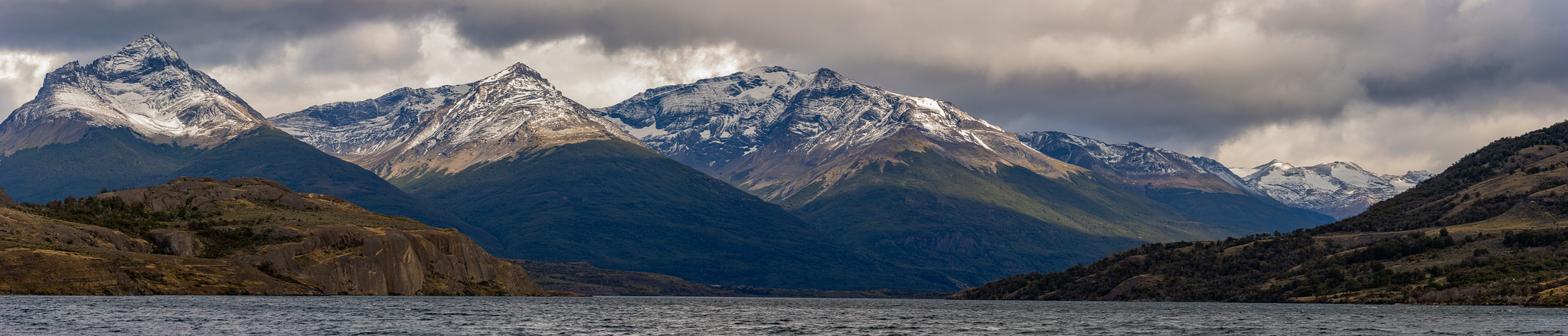
Today we will visit Torres del Paine National Park in Chile. Guanacos, Lesser Rhea, and Chilean Flamingos are popular visitors. The splendid Paine Massif will be visible, and we traverse the park, on spectacular internal roads with stunning views and great places to stop for wildlife.
We will have two full days to explore the park. Our focus is to search for wildlife and keeping an eye on the impressive landscape as well. Austral Blackbird, Austral Parakeet, Patagonian Sierra Finch, Thorn-tailed Rayaditos, Magellanic Woodpecker, Magellanic
Tapaculo, and some chances for Green-backed Firecrown, as well as the scarce Patagonian Tyrant and a good chance for Torrent Duck. Among the mammals, we can also expect Gray Fox, Guanaco herds, Hairy Armadillo, and a chance for Andean Deer.
Accommodation for two nights at Hotel del Paine, Rio Serrano (B, L, D)
DAY 12: TORRES DEL PAINE – PUERTO NATALES
We have the full morning for wildlife viewing and then start our way to over to the coast. Just a short drive away is a scenic town we just have to enjoy a night in.
We will be favored with some afternoon time in this small town, Puerto Natales, where we have time to walk the picturesque waterfront area, with elegant Black-necked Swans making plenty of appearances. In the evening, we will have a delicious local meal. Mountains frame the waterfront view, and a dock jutting out into the sea lets us get close to many species. Accommodation at Casa de la Patagonia, Puerto Natales (B, L, D)
DAY 13: OLGA TERESA FARM – ANDEAN CONDORS & MORE – PUNTA ARENAS
Today we will leave from Puerto Natales, making our way to Punta Arenas, but definitely will stop to visit one of the most impressive places to see Andean Condors, here there is a huge ridge where Condors roots, when wind currents are good enough, they come and fly around, we will bring a box lunch and enjoy this nice time here. After lunch we will continue our driving time to Punta Arenas and will check in at our hotel, enjoy dinner paired with some local beer. Accommodations at Hotel Diego de Almagro (B, BL, D)
DAY 14: FUERTE BULNES
Today we visit historic Fuerte Bulnes, beautifully situated on a windswept headland overlooking the legendary Strait of Magellan. Founded in 1843, this settlement marked Chile’s first permanent presence in the Magellan region and represents a key chapter in the human history of southern Patagonia. As we explore the reconstructed fort, including the chapel, barracks, and defensive structures, we gain a vivid understanding of the isolation, harsh climate, and determination required to survive in this remote frontier.
The surrounding coastal forest and shrubland habitats offer excellent opportunities for birdwatching and natural history interpretation. During our guided walk along the trails, we will focus on Patagonian ecosystems and their adaptations to wind and cold conditions. Species may include the Thorn-tailed Rayadito, Magellanic Woodpecker, Austral Thrush, and other characteristic forest and coastal birds. The dramatic scenery, shaped by glacial and marine forces, provides an exceptional setting to understand the ecological dynamics of the region.
After our walk, we will visit the Centro de Visitantes del Parque del Estrecho de Magallanes. The interpretation center offers an in-depth presentation
of the area’s natural history, indigenous cultures, early European exploration, and the geopolitical importance of the Strait as a key maritime corridor before the construction of the Panama Canal. Its exhibits provide valuable scientific and historical context that enriches our field observations.
We will then enjoy lunch before returning to Punta Arenas.
This evening, we gather for our farewell dinner, a meaningful opportunity to reflect on the remarkable wildlife encounters, landscapes, and ecosystems explored throughout southern Patagonia. Together, we will review our final species list and celebrate the shared discoveries that made this journey so memorable. Accommodation at Hotel Diego de Almagro (B, L, D)
DAY 15: PUNTA ARENAS – FLIGHT TO SANTIAGO
Our incredible Ultimate Patagonia trip comes to an end, it’s time to start the trip home. We’ll match the in-country flight segment today to international departures from Santiago. (B)
Please plan to depart in the late afternoon/evening from Santiago (SCL) on last day, allowing time to connect by air from Punta Arenas.
Important Notes and Information:
Chile & Argentina – Ultimate Patagonia – Highlights
° Epic journey that takes you both sides of the Southern End of the World.
° Witness the majestic grace of pumas in their natural habitat.
° Soar with condors as they glide through the skies.
° See several unique species, including Magellanic and King penguins, Elephant seals, Gray Fox, Guanaco herds, Hairy Armadillo and a chance for Andean Deer.
° Search for special birds like Lesser Rhea, Andean Condor, Magellanic Woodpecker, Flightless Steamer-Duck, Austral Parakeet, and many more.
° Immerse yourself in the untouched beauty of the Patagonia.
° Walk the colorful streets of Ushuaia, the southernmost city in the world.
° Take in the epic, iconic scenery at Torres del Paine National Park in Chile.
Note: Puma tracking excursions will be operated either as full-day outings with a box lunch in the field, or divided into two separate sessions (early morning and late afternoon), returning to the hotel for lunch and rest in between. The final schedule will be determined locally by the guide, depending on group preferences, time of year, weather conditions, and puma activity patterns, in order to maximize observation opportunities. Neblina Forest reserves the right to modify or adjust the activities scheduled for this day due to operational, weather, or safety considerations.
Departs: From October to March each year. The arrival airport for this tour is Buenos Aires International (EZE). The departure airport is Santiago (SCL).
Grading: Level 2. Moderate. The walking conditions are generally straightforward, with some sections following flat paths and roads. In Torres del Paine, there are a few gentle inclines, but altitude sickness has never been an issue. The excursions to spot wild pumas involve driving to different locations and then potentially walking one to three miles across open, rolling grasslands with scattered low shrubs. These walks are not particularly strenuous, and we will make regular stops to scan the surrounding terrain. We may also remain still, either sitting or standing, as we quietly observe the animals resting, interacting with their young, or feeding.
Weather: The Patagonian summer typically brings mild daytime temperatures and cool nights. With long daylight hours, the sun rises early and sets late. Daytime temperatures usually range from around 50°F to the mid-70s, while nighttime temperatures drop into the 40s. December to March tend to be cooler. In Chile, from October to November, weather conditions can vary greatly, from warm and sunny to cloudy, windy, and cold. If spring arrives late, visitors should be ready for chilly weather, heavy cloud cover, strong winds, and potential rainfall, especially in the Andes and Patagonia. Rain and powerful winds can occur at any time of the year, making it feel even colder. Patagonia is also home to one of the largest ozone layer holes, meaning the sun’s rays are extremely intense. Even if it doesn’t feel hot, sun exposure can cause severe burns quickly, so using sunscreen on all exposed skin is strongly advised.
Clothing: This trip is a relaxed birdwatching and nature-focused experience. We recommend bringing primarily outdoor clothing and dressing in layers, as Patagonia can be quite cold at times, especially in the early mornings. Casual clothing is suitable for all occasions. Here are some suggested items:
° Field Clothing: Outdoor stores like Cabela’s and REI offer durable, lightweight, and mutedcolored clothing with multiple pockets and ventilation, which many travelers find useful.
° Outerwear: A well-insulated jacket is highly recommended. A polar fleece jacket is also a good option for milder conditions. Being prepared for cold weather in Chile is important.
° Pants: Bringing a couple of pairs is essential. Many travelers prefer lightweight cotton or synthetic pants, though denim, while less comfortable, is also an option. Lined thermal pants are excellent for protecting against the chilly winds that can occur in Patagonia or during boat rides.
° Rain Pants: These can serve as both rain protection and an extra layer of insulation instead of long underwear on colder or windier days.
° T-shirts: Long-and short-sleeved, simple cotton shirts are ideal for layering under warmer outerwear.
° Jackets: A warm, waterproof, and wind-resistant jacket is a must, particularly for southern Chile and Argentina, the Andes, and Patagonia.
° Socks: Thin cotton or polypropylene socks paired with wool socks work well. Keeping feet dry and warm is crucial when spending time outdoors.
° Hats, Scarves, and Neck Gaiters: A sun-protective hat is essential, while a pull-down hat and scarf or gaiter are useful in windy conditions.
° Warm, waterproof gloves or mittens are highly recommended. Cold weather is very much a possibility.
° Footwear: For outdoor activities, a sturdy trail-walking shoe or waterproof hiking boot (such as Gore-Tex) is advisable. Athletic shoes can be worn but won’t keep feet dry and may become muddy. A comfortable walking shoe, such as a sneaker, is recommended for downtime or travel between destinations. Rubber boots are unnecessary.
What’s included:
° Expert guidance
° Transport service
° Airport transfers and visits described in the itinerary
° Accommodation as mentioned in the itinerary. Standard room.
° Meals as specified in the itinerary
° Drinking water provided during the day ° All entry fees to natural reserves ° Domestic flights:
-
Buenos Aires to Trelew
-
Trelew to Ushuaia
-
Ushuaia to Calafate
-
Punta Arenas to Santiago
Not included:
° Soft and alcoholic beverages
° Gratuities
° Wi-Fi (due to the remote location of some of the places we will visit, internet connection may be intermittent and low-bandwidth)
° Personal expenses (extra nights, late checkout, laundry, gifts, etc.)
° Accommodation and meals not described in the program
° Round trip airfare to and from Buenos Aires and/or Santiago
° Travel / Medical Insurance
° International flights
Conditions:
*Please be aware that the itinerary outlines our planned program of excursions. However, due to adverse weather conditions and other local factors, it may be necessary to adjust the schedule during the course of the tour. Rest assured, any changes will be made to ensure the best possible use of available time and weather conditions. The trip itinerary is created months in advance, and while we make every effort to plan thoroughly, unforeseen changes may arise during the trip. These changes could be caused by weather, road conditions, safety concerns, or other circumstances. In such cases, it is the responsibility of the tour leader(s) to carefully assess and implement suitable alternatives. Any additional costs resulting from these changes will be the responsibility of each individual participant. No refunds will be issued due to changes in the itinerary.
*Please be aware that this is a sample itinerary. We can customize the package based on your request and send you a quote.
*Accommodation options are subject to change based upon availability.
*All entrance fees are subject to change without prior notice.
*Rates for domestic flights included in this program are subject to change until we have issued the tickets according to the requested travel date.
General notes:
*Baggage: The airlines now strictly enforce baggage regulations. Excess baggage charges, which can be substantial, are the personal responsibility of each participant. Please consult your airline to find out specific weight restrictions. Please limit baggage to one piece of luggage and one carry-on bag if possible, as some of the vehicles have limited luggage space. As a precaution against lost luggage, we suggest that you pack a change of clothes, toiletries, medications, your travel documents, optics, and any other essential items in your carry-on bag. These items are the full responsibility of the guest at all times. Kindly note that tripods are not allowed as carry-on and must be packed in your checked baggage.
*All baggage must be securely packed, and be properly, clearly labeled. Liquid, fragile, perishable and/or other items that are not packed as such will be transported at the guests’ own risk.
*We are not liable for loss or damage to baggage and/or any other personal item during air travel. We are not liable for baggage stored in shore-side facilities.
*We are not liable for the loss of, or damage of, of any aforementioned personal items. We reserve the right to charge for the return of personal items left at the hotels.
*TRAVEL INSURANCE: To safeguard against losses due to illness, accident, or other unforeseen circumstances, we strongly recommend the purchase of travel insurance, that covers trip cancellation/interruption, as soon as possible after making a deposit.
* Visa requirements differ by country, nationality of the traveler and duration and purpose of your intended stay. It may be necessary to obtain a visa or an electronic travel authorization in advance of your travel. It is therefore vitally important that you check with your travel agent/consulate/embassy for exact visa requirements.
*Please DO NOT book any flights until the Neblina Forest Team have officially confirmed the tour.
General rules and introduction to puma viewing:
Puma tracking excursions are conducted daily in coordination with specialized guides and expert trackers, following the natural activity patterns of the pumas and seasonal daylight variations.
Under normal conditions, excursions operate in two main sessions per day, at dawn and late afternoon or early evening, which are the optimal times for puma activity. Each session typically lasts approximately three hours, with a return to the lodge at midday for lunch and rest. However, depending on weather conditions, puma movements, and seasonal factors, excursions may also be operated as extended outings in the field.
During the winter season (May through September), when daylight hours are shorter and puma activity may be concentrated within specific time windows, excursions may extend for up to seven consecutive hours in the field to maximize observation opportunities.
During the summer season (October through March), excursions begin at sunrise (approximately 4:40–5:00 am), return to the lodge around midday, and resume again in the late afternoon (around 4:30 pm), taking advantage of peak puma activity periods at dawn and dusk.
To ensure a high-quality, safe, and low-impact experience, group size is limited to a maximum of eight guests, accompanied by one professional wildlife guide and one experienced puma tracker. Excursions are conducted both on foot and in 4×4 vehicles, following tracks and observing the surrounding ecosystem, including guanacos, the puma’s primary prey species.
Pumas are wild and unpredictable predators, and their well-being and natural behavior are our top priorities. Guests must always follow the guide’s instructions and never approach a puma without supervision. A minimum observation distance of 60 meters is required at all times. When a female is accompanied by cubs, the minimum distance increases to 100 meters, as mothers are especially sensitive to disturbance.
To maintain the highest safety and ethical standards, minors under the age of 18 are not permitted on walking puma-tracking excursions. Neblina Forest operates with highly trained and experienced guides authorized to work in this area, ensuring responsible wildlife observation and minimizing disturbance to the animals.
Our philosophy is based on respectful and ethical wildlife observation. We maintain appropriate distances at all times and ask guests not to pressure guides to approach animals more closely. Guides will always provide the safest and best possible opportunities for observation and photography while ensuring the protection and welfare of the wildlife.